


A sofa left boxed on the doorstep is a delivery. The same sofa carried upstairs, unpacked, assembled and positioned in the right room, with the packaging taken away, is a different level of service. That second version is white glove delivery, and for a growing number of eCommerce brands it has moved from a nice extra to a genuine commercial decision.
This guide explains what white glove delivery covers, how it works, and when it actually makes sense for your brand to offer it. If you sell furniture, large homeware, high-value electronics or anything fragile and awkward, the way an order arrives is often the last thing a customer remembers about you.
What is white glove delivery?
White glove delivery is a high-care service for items that need more attention than a standard doorstep drop. It goes beyond transport to include delivery into the room of choice, unpacking, light assembly or setup, and removal of the packaging afterwards. Scheduled delivery slots and real-time tracking usually come as standard.
The name has nothing to do with what the delivery team wears today. It comes from an older tradition where staff in fine households wore white gloves to handle delicate items without marking them. The gloves have gone; the association with careful, professional handling has stayed.
For an eCommerce brand, the useful way to think about it is this: standard delivery moves a parcel, white glove delivery finishes the job, so the customer opens the door to a ready-to-use product rather than a heavy box and an evening of flat-pack instructions.
How does white glove delivery work?
The process is built around the item and the property rather than pure speed. A typical white glove delivery runs through the following stages:
- Booking and scheduled slot: The customer chooses a delivery window instead of waiting in all day, which cuts failed first-time deliveries.
- Specialist collection and protective packing: Items are checked, wrapped and secured for transport, with extra protection for fragile or high-value pieces.
- Dedicated transport: Goods travel on a vehicle suited to their size, often without co-loading, which reduces the handling points where damage tends to happen.
- Two-person handling: Heavy or bulky items are moved by a trained pair who can manage stairs, tight turns and lifts safely.
- Delivery to the room of choice: The team places the item where it is needed rather than leaving it in a hallway or garage.
- Unpacking and light assembly: Many services unwrap the item and complete straightforward assembly so it is ready to use.
- Packaging and debris removal: Cardboard, plastic and foam are taken away, leaving the space clean.
- Final condition check: The team confirms the item is assembled correctly, positioned as agreed and free of obvious damage before they leave.
Not every delivery includes every step, the scope depends on the provider and the product, so it pays to agree the details up front.

What white glove delivery usually includes, and what it does not
White glove is a description of how goods are handled, not a fixed legal standard. That means the exact scope varies, and both you and your customer benefit from knowing where the service ends before anything is booked.
Typically included:
- Delivery to the room of choice, including upstairs or across multiple floors
- Unpacking and light assembly, such as attaching legs or building a bed frame
- Positioning the item and protecting walls, doors and floors during the move
- Removal of transit packaging and a basic condition check
Usually arranged separately:
- Disposal of old furniture, mattresses or appliances
- Wall fixing, electrical connections, plumbing or gas work
- Removing doors or bannisters to create access
- Repairs to supplier damage or manufacturing faults
Being clear about the second list is not a caveat, it is good service. It stops a crew arriving with an item that will not fit the access route, and it stops a customer expecting work that needs a qualified trade. For your support team, that clarity means fewer awkward calls after the van has gone.
Which products and brands need white glove delivery?
White glove delivery earns its cost when the item is large, fragile, valuable or genuinely difficult for one person to handle. Common categories include:
- Furniture and large homeware, from sofas and wardrobes to dining tables, where placement and assembly are part of the value
- High-value electronics and appliances that are expensive to replace and awkward to set up
- Fragile or oversized goods such as mirrors, glass and large artwork
- Antiques and specialist pieces where careful handling protects both the item and your reputation
It is just as important to know when the service is not needed. A boxed bedside table or a sturdy, mid-value product is usually fine on a standard network. Offering white glove on everything adds cost, your margins may not support and your customers may not want to pay for. The skill is matching the service to the products where it changes the outcome.
When should an eCommerce brand offer white glove delivery?
This is the real decision, and it comes down to whether the service protects revenue or reputation enough to justify the spend. Work through the following:
- Average order value: Higher-value orders can absorb the cost of two-person, room-of-choice delivery without wrecking the margin.
- Damage and return history: If items regularly arrive damaged, or delivery complaints show up in your reviews, careful handling can pay for itself in fewer claims and replacements.
- The moment of first use: For brands where the unboxing or the finished room matters, a poor delivery can undo an otherwise well-made product.
- Customer needs: Some customers, including older or less mobile buyers, cannot move heavy items alone, and a doorstep drop leaves them stuck.
If several of these apply, white glove delivery is likely worth offering, at least as a paid option at checkout. The business case is rarely about the delivery itself. It is about fewer damage claims, higher conversion on considered purchases, better reviews and lower return rates.
What white glove delivery costs, and what to charge for it
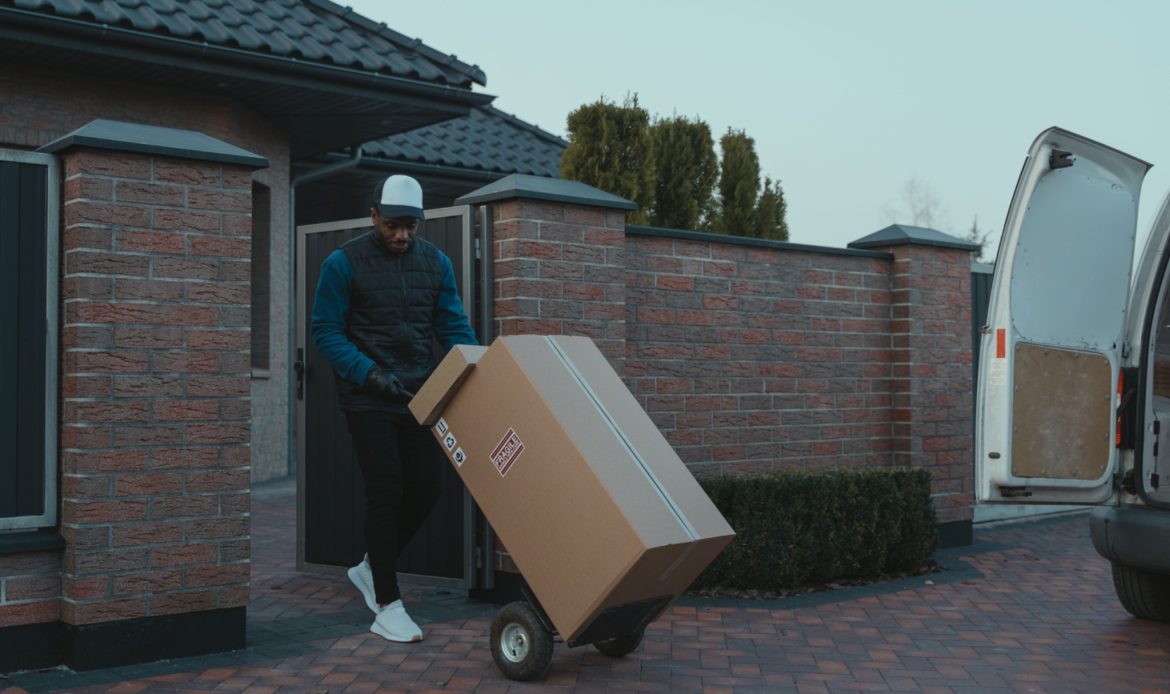
Cost is the question most guides avoid, and the unfortunate answer is: it depends. The main drivers are item size and weight, whether a two-person crew is needed, how difficult the access is, the distance travelled and how much assembly is involved. A single flight of stairs and a quick build is very different from a fourth-floor flat with no lift and a complex installation.
Because those variables move so much, a fixed price is misleading. What matters more is how you pass the cost on. Brands generally use one of three approaches:
- Absorb it into the product price, so delivery reads as free while the margin already accounts for it
- Offer it as a paid delivery upgrade at checkout, letting customers choose the level of service they want
- Include it above an order-value threshold, which encourages larger baskets while covering the cost on orders that can bear it
Whichever route you pick, set the rates clearly and make sure customers are not surprised by fees at the door, predictable pricing is part of the service.
UK white glove rates vary widely with the item and the job. As a rough guide, two-person delivery services tend to run from around £40 to £150 per delivery, with retailer checkout rates for furniture often sitting between £75 for a single-handler service and £95 for a two-person team, rising to around £170 when old-item disposal is included. For higher-value or more complex jobs involving stairs, assembly or long distances, rates commonly reach £150 to £380 or more. Room-of-choice delivery usually adds roughly 10 to 30 per cent over a basic threshold drop, while full white glove with assembly and debris removal can add 30 to 100%.
White glove returns and reverse logistics
Delivery gets most of the attention, but returns are where oversized orders often go wrong. If a customer receives a wardrobe by white glove, they should be able to send it back with the same care. Standard networks are rarely built for that.
White glove returns cover collection of large items, an on-pickup condition assessment, and the same two-person handling that protected the item on the way out. Strong returns management keeps that stock resaleable rather than writing it off. Getting this right does two things. It keeps returned stock in a resaleable condition instead of arriving damaged, and it turns a frustrating moment for the customer into a smooth one, which protects the relationship. For any brand selling furniture or large goods, reverse logistics deserves as much thought as the outbound journey.
The sustainability angle of oversized delivery
Two-person, dedicated-vehicle delivery has a real carbon cost, and it would be dishonest to pretend otherwise. The savings sit in the details: scheduled slots cut failed first-time deliveries, careful handling reduces damage-driven re-deliveries, and efficient routing and consolidation keep vehicles fuller and mileage lower. Fewer damaged items also means fewer replacements shipped and less waste overall.
This is where fulfilment matters, a third-party logistics partner that plans routes well and gets deliveries right first time reduces both cost and emissions at the same time. Green Fulfilment, a B Corp certified 3PL, builds route efficiency and first-time delivery success into how it handles larger orders, which keeps the environmental impact of oversized delivery in check without slowing the service down.
Making white glove delivery work for your brand
If the case stacks up, a few practical steps will get you there:
- Define what your service covers: Be specific about room of choice, assembly, packaging removal and any exclusions.
- Set clear rates: Decide how you will charge and communicate it plainly at checkout.
- Sort insurance and liability: Agree who is responsible if something is damaged in transit, and what cover the customer has.
- Choose the right partner: Look for the vehicles, trained crews and coverage to handle your products and your delivery areas, plus value-add capabilities like kitting and assembly if your orders need prep before dispatch.
- Give customers visibility: Real-time tracking and firm delivery windows are part of what makes the service feel considered.
Done well, white glove delivery is not just a logistics choice. It is a way to make sure the last thing a customer experiences of your brand is as good as the product they bought.
Frequently asked questions
What is white glove delivery?
White glove delivery is a high-care service for items that need extra attention. It includes delivery to the room of choice, unpacking, light assembly or setup, and removal of the packaging, rather than a simple doorstep drop.
Does white glove delivery mean they wear white gloves?
No. The name comes from a historical practice where household staff wore white gloves to handle delicate items. Today it describes the level of care and professionalism, not literal gloves.
What is the difference between white glove delivery and threshold delivery?
Threshold delivery brings the item to your door or just inside it. White glove delivery takes it to the room of choice and usually includes unpacking and assembly.
How much does white glove delivery cost?
It varies with item size and weight, access difficulty, distance and how much assembly is involved. Because those factors differ so much per order, providers price it case by case rather than at a fixed rate.
Is white glove delivery worth it for eCommerce brands?
It is worth it for high-value, fragile or oversized products where damage and the delivery experience affect returns and reviews. For smaller, sturdy and lower-value items, standard delivery is usually the more practical choice.