
Christmas 2025 is shaping up to be bigger than ever. UK shoppers are planning to spend 13% more on festive food and 14% more on gifts this year, with 28% starting their shopping earlier than usual. That sounds like great news until you realise what it actually means for your

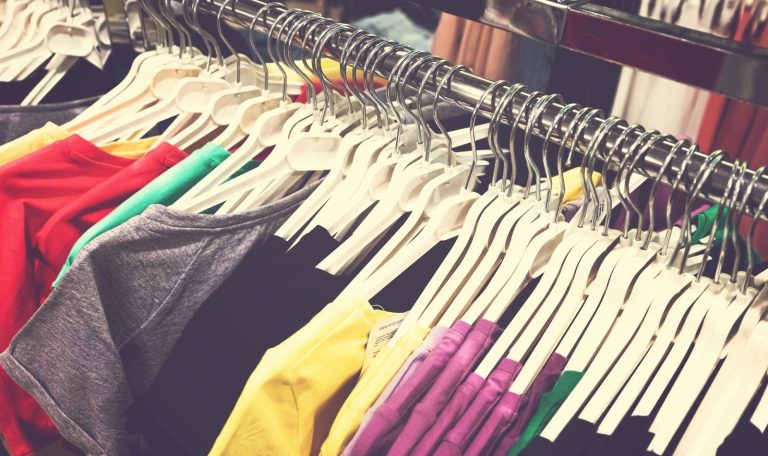
Inventory Challenges for Fashion Brands Expanding into the EU
Fashion eCommerce operates in a world of extremes. Return rates can reach 40-50% for apparel retailers, while brands juggle thousands of SKUs across multiple sizes, colours, and seasonal collections. Clothing accounts for 24% of all online returns in the US, making inventory management complex even within a single market. Now
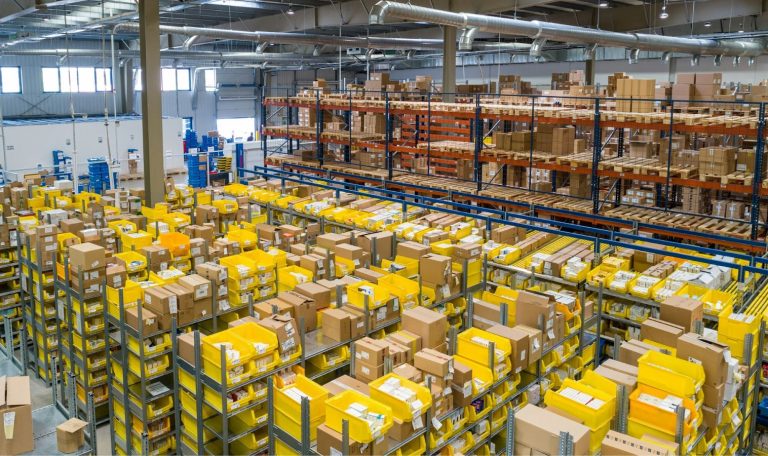
Types of Warehouses for eCommerce: Choosing the Right Storage Solution
The right warehouse can make or break your eCommerce operation. Beyond providing storage space, your warehouse choice directly impacts delivery speed, fulfilment accuracy, and customer satisfaction. For sustainability-minded brands, it also affects your environmental footprint and operational costs. This guide breaks down the key warehouse types available to UK eCommerce
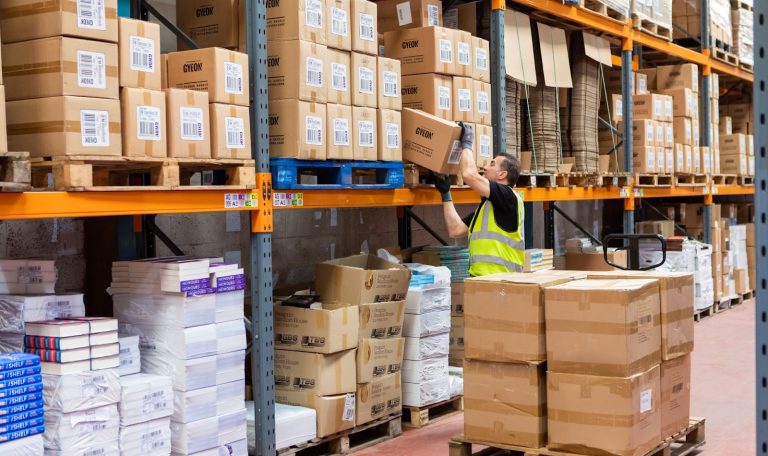
What is Hybrid Order Fulfilment?
Hybrid order fulfilment is a flexible and scalable approach to logistics that allows eCommerce brands to combine multiple fulfilment methods to suit their needs. Instead of relying solely on one method, such as in-house operations or outsourcing everything to a third-party logistics provider (3PL), a hybrid model blends strategies like
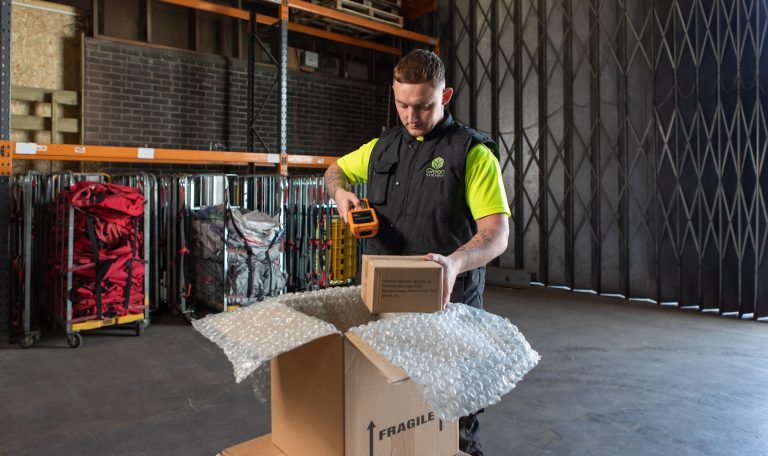
FEFO vs FIFO: What Shelf-Stable Food Brands Must Know
Your brand is growing. Orders are picking up. What used to be a simple warehouse operation now feels like a high-stakes puzzle, one where stale cereal, short-dated sauces, or flat-tasting coffee could end up in the hands of loyal customers. Even if your products are shelf-stable, they still have limits.