
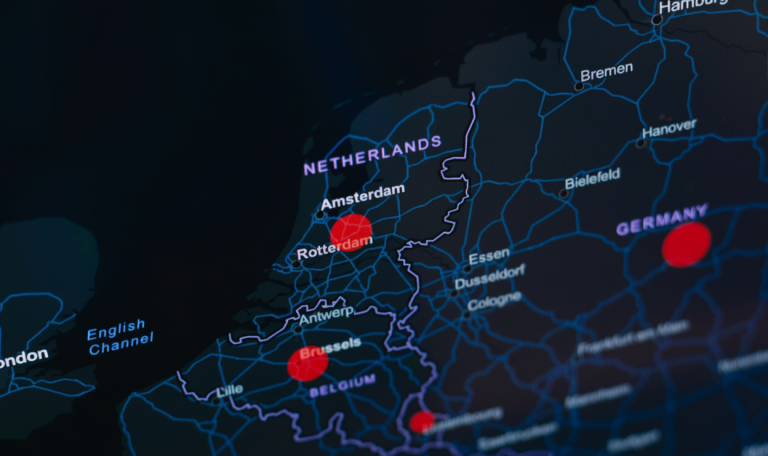
The rise in Netherlands fulfilment centres continues despite economic cooling. Learn what’s driving demand, from strategic location to sustainability.
A Practical Guide to Switching 3PLs: Timing, Warning Signs, and a Seamless Transition Plan
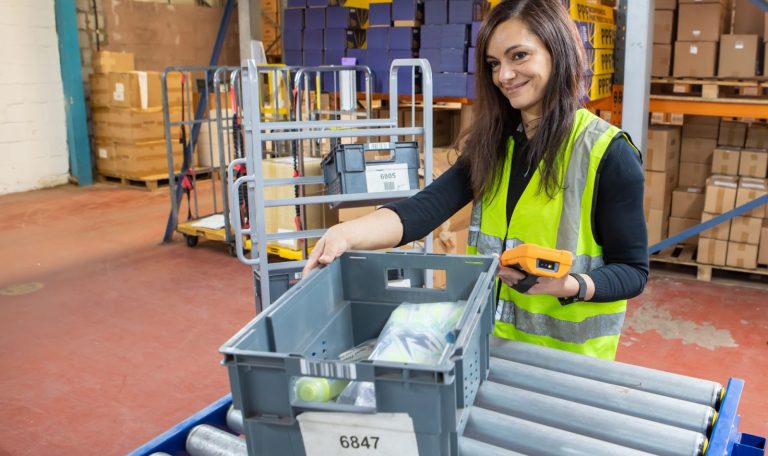
Logistics can make or break your eCommerce business. A strong logistics partner helps you scale, keeps customers happy, and frees up your time. The wrong one? It holds you back, costs you sales, and creates constant headaches. If you’re questioning your current 3PL’s performance, you’re not alone. Many growing brands
Is Micro-Fulfilment the Future of Sustainable Logistics?
UK consumers expect next-day delivery as standard. Two-hour delivery windows are becoming the norm in major cities. Same-day fulfilment isn’t a luxury anymore: it’s table stakes. This pressure has given rise to micro-fulfilment centres: small, highly automated warehouses tucked into urban spaces, designed to slash last-mile delivery times and cut
Automated Warehouse Picking Systems: Advantages vs Disadvantages
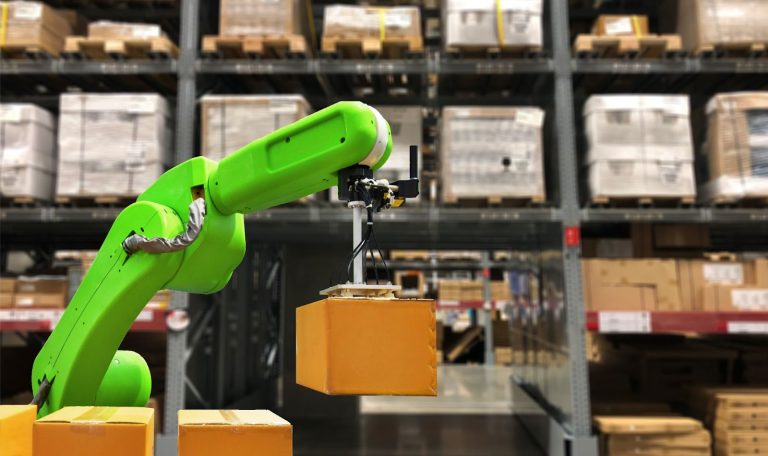
Article Summary: Picking accounts for 50-55% of your warehouse operating costs. That single statistic explains why so many UK eCommerce brands are asking: Should we automate? The answer isn’t straightforward. Warehouse modernisation through automated picking systems can boost speed and accuracy, but it’s not the right move for every business.

Fulfilment Warehouse Audit Checklist: Why Smart eCommerce Brands Outsource Instead
It’s 2 am and you’re still awake, staring at spreadsheets after today’s stock count. Three hours of your team’s time revealed 47 discrepancies, two missing SKUs, and the sinking realisation that you’ll need to do this all over again next month. Sound familiar? If you’re running your own warehouse operations,