


The first quarter of 2026 offers UK and EU eCommerce brands a critical window to review, reset, and plan. After the intensity of peak season, Q1 is the time to assess what worked, fix what didn’t, and set goals that balance growth with environmental responsibility.
This guide covers practical steps for logistics planning in Q1, from post-peak reviews to sustainability targets and regulatory preparation.
Why Q1 Is the Best Time to Review Your Fulfilment Strategy
Q1 provides a natural pause after the pressure of peak season. Order volumes drop, returns processing stabilises, and there’s finally time to look at the data without firefighting.
The operational issues exposed during Q4 are still fresh. If dispatch delays, stock shortages, or carrier failures affected customer experience, January is the moment to document them. Waiting until mid-year means those lessons get lost.
Early planning also gives brands nine or more months to test and refine changes before the next peak season arrives. Brands that plan in Q1 scale with confidence. Those who react in October lose margin and reputation.
Post-holiday returns add urgency to this window. January sees the highest return volumes of the year, making reverse logistics a priority that can’t wait.
Conduct a Post-Peak Fulfilment Review
Before setting new goals, you need a clear picture of current performance. A structured post-peak review turns Q4 data into actionable insight.
Key areas to analyse:
- Dispatch accuracy: What percentage of orders shipped same-day during peak?
- Delivery performance: Which carriers met their SLAs, and which fell short?
- Return rates: Which product categories had the highest returns, and why?
- Cost vs budget: Did shipping spend, packaging, and storage fees align with forecasts?
- Customer feedback: Delivery experience directly impacts repeat purchase rates
Pull reports from your order management system and 3PL warehouse dashboard. Cross-reference with customer service data to spot patterns in complaints or queries.
Document findings now. Institutional memory fades quickly, and the detail that seems obvious in January will be forgotten by March.

Set Realistic Sustainability Targets for 2026
Sustainability is now a baseline expectation for UK consumers, not a point of differentiation. Research shows 72% of UK shoppers prioritise brands with clear environmental commitments. Meeting that expectation requires measurable goals, not vague intentions.
Focus on targets you can track:
| Sustainability KPI | Example Target |
| Packaging waste reduction | 20% reduction in single-use plastic by Q4 2026 |
| Carbon per shipment | 15% reduction through carrier optimisation |
| Recyclable material use | 80% of outbound packaging recyclable or compostable |
Start with operational wins that also reduce costs. Right-sized packaging cuts material spend and shipping weight. Consolidating orders where possible reduces the number of shipments. These changes benefit margin and the environment.
Carrier selection matters too. Electric vehicles, bike couriers for urban last-mile, and route optimisation are becoming standard options. Ask your carriers what low-emission services they offer.
Regulatory pressure is increasing. The UK’s Extended Producer Responsibility (EPR) scheme is raising packaging fees, and EU rules on overpackaging are tightening. Brands that act now will be better prepared than those scrambling to comply later.
Plan for Returns Before They Happen
January is often called “Returnuary” for good reason. Return volumes spike after the holidays, and brands without a clear reverse logistics process face backlogs, slow refunds, and frustrated customers.
Returns no longer need to be a pure cost centre. Smart returns management supports resale, reCommerce, and customer loyalty.
Returns management priorities for Q1:
- Speed: Fast processing gets stock back on shelves and improves cash flow
- Visibility: Real-time tracking of returned items reduces customer service queries
- Sustainability: Route unrepairable items into recycling streams rather than landfill
- Policy clarity: Clear, accessible returns policies reduce confusion and help maintain brand experience across the post-purchase journey
Recent industry data shows 27% of retailers are prioritising reCommerce programmes in 2026, while 32% are investing in recycling pathways for damaged goods. Local returns consolidation is also gaining traction, with 35% of supply chain professionals ranking it as a priority.
Planning for returns before they arrive, rather than reacting to volume spikes, keeps operations stable and customers satisfied.
Align Inventory Planning with Demand Forecasting
Accurate supply and demand planning prevents two costly problems: overstocking and stockouts -both can damage margin, but both are avoidable with the right approach.
Use Q4 sales data to inform inventory decisions for Q1 through Q3. Look at which products sold faster than expected, which sat in storage, and where demand patterns shifted.
Key inventory planning considerations:
- Seasonal demand: Plan for Valentine’s Day, Mother’s Day, and summer peaks now
- Cash flow: Excess inventory ties up capital and incurs storage fees
- Multi-channel visibility: Real-time stock tracking across all sales channels prevents overselling
- Distributed fulfilment: Holding stock closer to customers reduces delivery times and last-mile emissions
Automation and AI-driven forecasting tools are now standard for scaling eCommerce brands. If you’re still relying on spreadsheets and guesswork, Q1 is the time to upgrade.
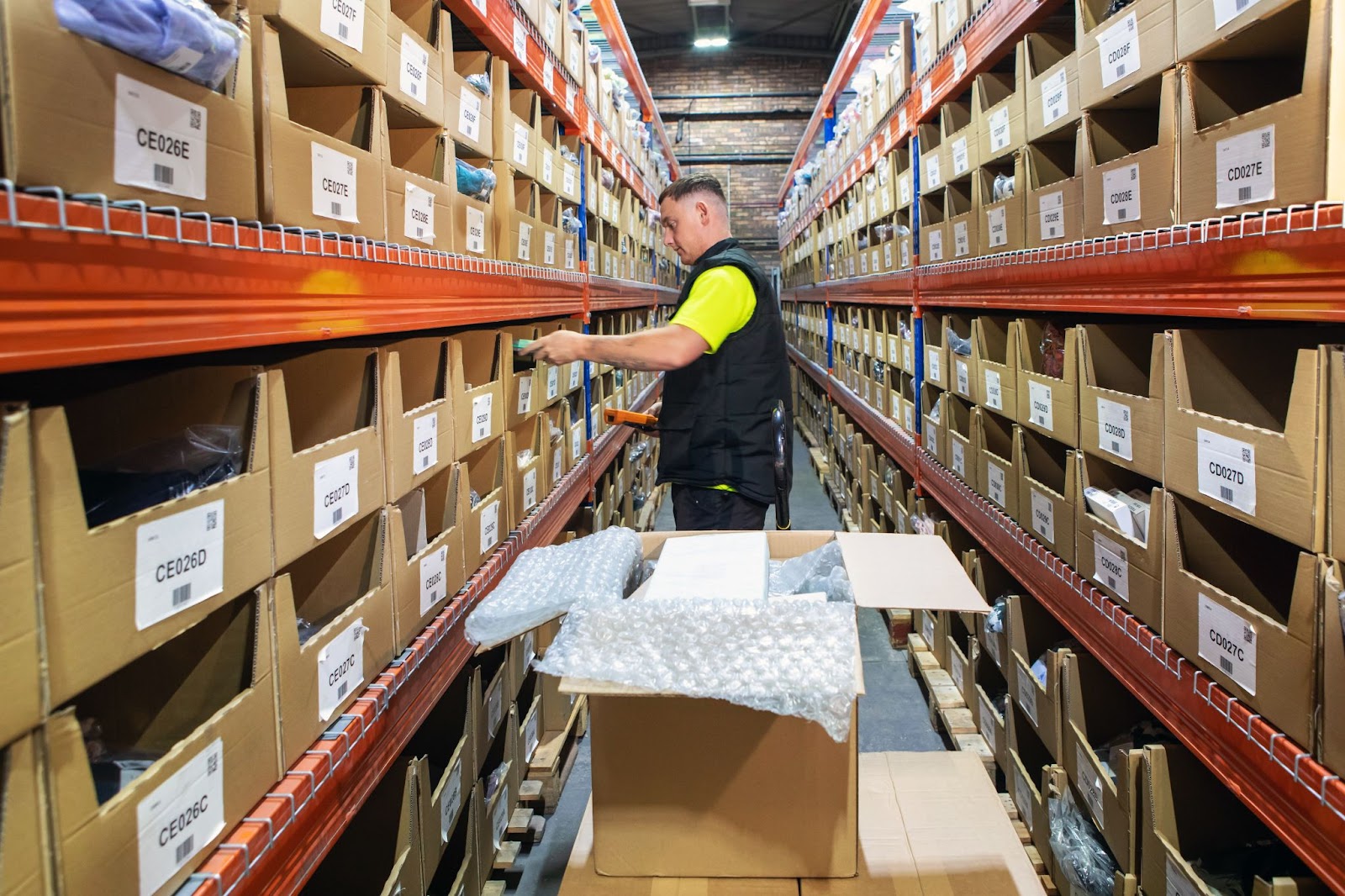
Evaluate Your Fulfilment Partner or In-House Capacity
Q1 is the natural window to assess whether your current fulfilment setup can support the year ahead. If your 3PL warehouse struggled during peak, or your in-house operation hit capacity limits, now is the time to address it.
Switching fulfilment partners mid-year is disruptive. Starting the conversation in Q1 gives time to evaluate 3PL options, negotiate terms, and complete onboarding well before the next peak season.
3PL evaluation checklist:
- Accuracy: Same-day dispatch rates and picking accuracy above 99%
- Returns: Fast returns processing with clear reporting
- Sustainability: B Corp certification, paperless operations, recyclable packaging options
- Technology: Real-time inventory visibility and integration with your sales channels
- Geographic reach: UK and EU fulfilment locations reduce customs friction and delivery times
- Communication: Dedicated account support and transparent pricing
For UK and EU sellers, post-Brexit realities make in-market fulfilment more important than ever. Holding stock within the EU through a dedicated EU fulfilment centre removes cross-border delays and simplifies VAT handling. If your current partner only operates in the UK, this may limit your European growth.
Prepare for Regulatory Changes
Several regulatory shifts are affecting eCommerce fulfilment in 2026 and beyond. Planning for compliance now reduces risk and avoids last-minute scrambling.
UK Extended Producer Responsibility (EPR): Packaging fees are increasing, directly impacting margin for brands selling packaged products. Reducing packaging volume and switching to recyclable materials can lower these costs.
EU Packaging and Packaging Waste Regulation: New rules are tightening restrictions on oversized packaging and single-use plastics. Brands selling into the EU need to review their packaging choices.
Digital Product Passports (DPPs): Certain product categories will require DPPs by 2026-2027. These passports track product origin, materials, and end-of-life options. Brands in fashion, electronics, and textiles should start preparing now.
Working with a fulfilment partner who understands these requirements and has systems in place to support compliance reduces the burden on your internal team.
Build a Q1 Action Plan
Turn insight into action with a simple quarterly timeline.
January
- Complete post-peak review and document findings
- Process returns backlog and analyse return reasons
- Pull Q4 performance data for analysis
February
- Set sustainability KPIs for 2026
- Evaluate 3PL or in-house fulfilment performance
- Begin conversations with potential new partners if needed
March
- Finalise inventory forecasts for Q2 and Q3
- Lock in fulfilment capacity for spring and summer
- Review regulatory requirements and plan for compliance
Q1 is a launchpad, not a waiting period. The brands that use this time effectively enter peak season 2026 with confidence, capacity, and a clear sustainability story to tell.
Frequently Asked Questions
What is logistics planning?
Logistics planning is the process of organising how products move through your supply chain. This covers storage, inventory management, picking, packing, and delivery. For eCommerce brands, effective logistics planning reduces costs, speeds up delivery, and improves customer satisfaction.
Why is Q1 important for fulfilment planning?
Q1 follows peak season, giving brands time to review performance, process returns, and plan improvements. Early planning allows operational changes to be tested and refined well ahead of the next Q4.
How can eCommerce brands make fulfilment more sustainable?
Start with operational changes that reduce waste and cost: right-sized packaging, recyclable materials, and optimised delivery routes. Working with a fulfilment partner committed to sustainability can help brands meet environmental goals without compromising speed.
What should I look for in a 3PL warehouse?
Key factors include dispatch accuracy, same-day shipping rates, returns handling, technology integration, and sustainability practices. For UK and EU sellers, having fulfilment locations in both regions reduces delivery times and customs complexity.
How do UK packaging regulations affect eCommerce fulfilment?
The UK’s Extended Producer Responsibility (EPR) scheme requires brands to pay fees based on packaging waste. Reducing packaging and choosing recyclable materials can lower these costs while supporting sustainability goals.
Ready to review your fulfilment strategy for 2026?
Start by auditing your Q4 performance and setting clear, measurable goals for the year ahead. The brands that plan now will be the ones scaling confidently when peak season returns.