
Most eCommerce brands pour time and money into their website, product photography, and social media presence. But once a customer clicks “buy,” the brand experience often falls into someone else’s hands.
The post-purchase journey, including packaging, delivery, and returns, is where customers form their strongest impressions. According to PwC research, 32% of customers will stop buying from a brand they previously loved after just one bad experience. That includes late deliveries, damaged goods, and clunky returns.
As your business grows and fulfilment becomes more complex, keeping your eCommerce brand consistent across every touchpoint takes deliberate effort. Here’s how to do it.
The Touchpoints That Shape Your Brand After the Sale
Your brand isn’t just your logo or your Instagram grid. It’s every interaction a customer has with your business, and several of the most important ones happen after checkout.
Packaging and Unboxing
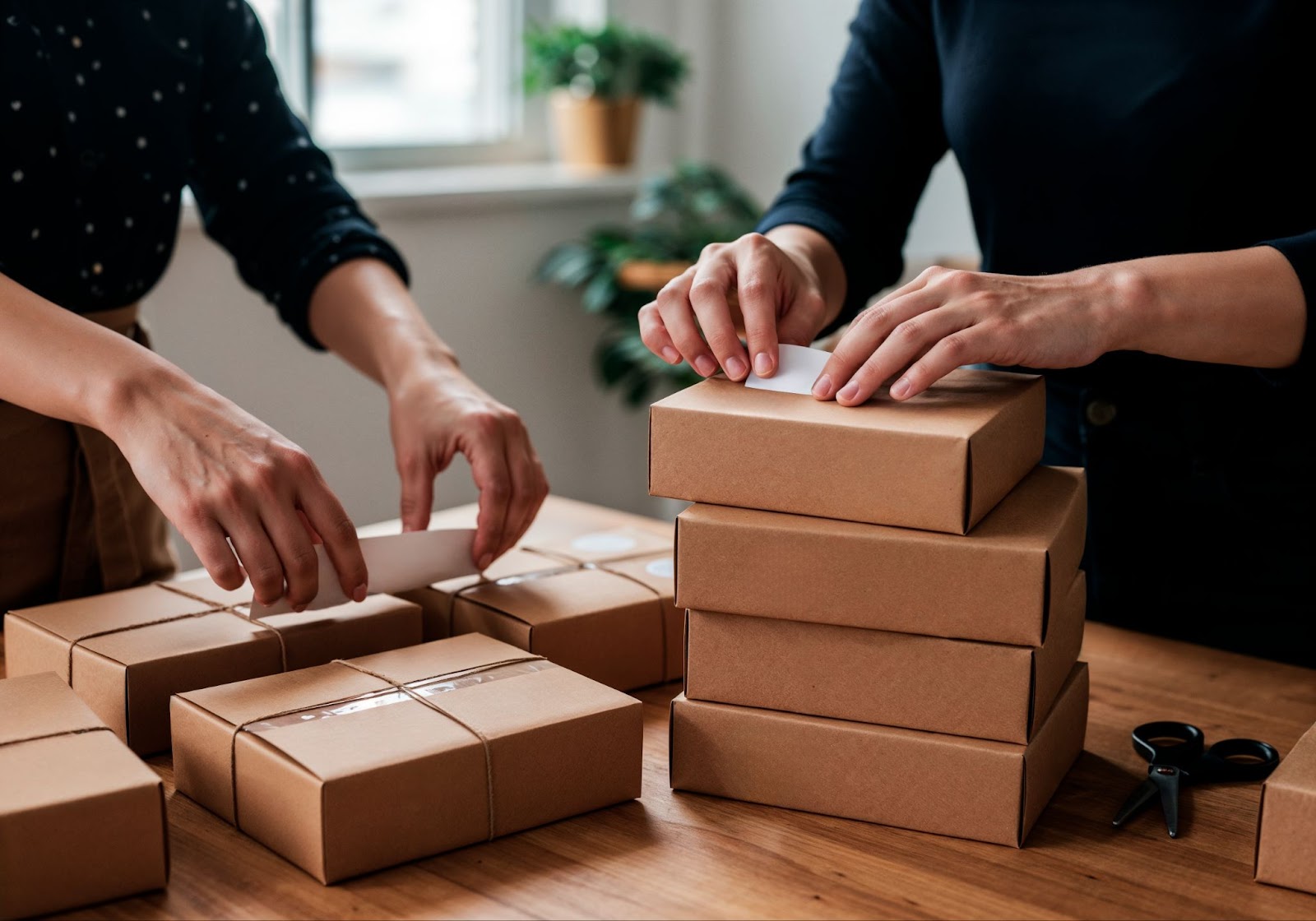
Packaging is the first physical interaction a customer has with your brand. A plain brown box does the job, but it doesn’t build loyalty or encourage word-of-mouth.
Consider the elements that reinforce your identity:
- Custom labels, printed care cards, and clothing personalisation touches that help your brand stand out
- Tissue paper, stickers, or thank-you cards that reflect your brand’s personality
- Right-sized boxes to reduce excess void fill and waste
- Eco-friendly materials such as recyclable mailers and plastic-free packaging
Research by Dotcom Distribution found that 40% of online shoppers would share a purchase on social media if it arrived in branded packaging. That’s free marketing driven by a thoughtful fulfilment process.
For brands with sustainability at their core, packaging is also a chance to show your values in action. Recyclable materials and minimal waste aren’t just good for the planet: they tell customers you practise what you preach.
Delivery Speed and Communication
A reliable delivery window matters more than racing to offer next-day as standard. Customers want to know when their order will arrive, and they want that promise kept.
The key elements of a strong delivery experience include:
- Order confirmation sent immediately after purchase
- Dispatch notification with tracking details
- Real-time tracking so customers can follow their parcel
- Proactive updates if there are any delays
Consistency builds trust. A dependable 3 to 5 day delivery window is far better for your reputation than an unpredictable range that sometimes delivers in two days and sometimes takes eight.
Working with a fulfilment partner that offers multi-carrier options helps here. It means you can match delivery speed to customer expectations without relying on a single carrier’s performance.
Returns: The Overlooked Brand Moment
Returns are not a failure. They’re a normal part of eCommerce, and how you handle them says a lot about your brand.
In the UK alone, roughly £27 billion worth of products are returned each year. January returns can reach double the normal volume, with carriers like Evri predicting millions of returned parcels in that month alone.
A returns process that protects your brand experience should include:
| Element | Why It Matters |
| Clear returns policy on your website | Sets expectations before purchase |
| Pre-paid return labels or easy drop-off options | Removes friction for the customer |
| Fast processing of refunds or exchanges | Builds confidence in buying again |
| Returns data fed back to your team | Helps you spot product issues early |
Brands that treat returns as a brand-building opportunity, rather than a cost centre, consistently see stronger repeat purchase rates.
How to Maintain Brand Experience When You Outsource Fulfilment
There comes a point for most growing eCommerce businesses where packing orders in-house is no longer practical. Outsourcing to a third-party logistics (3PL) provider is a logical step, but it raises a fair concern: will my customers still get the experience I’ve built?
The answer depends on choosing the right partner and setting clear expectations.
Here are the questions worth asking any fulfilment provider:
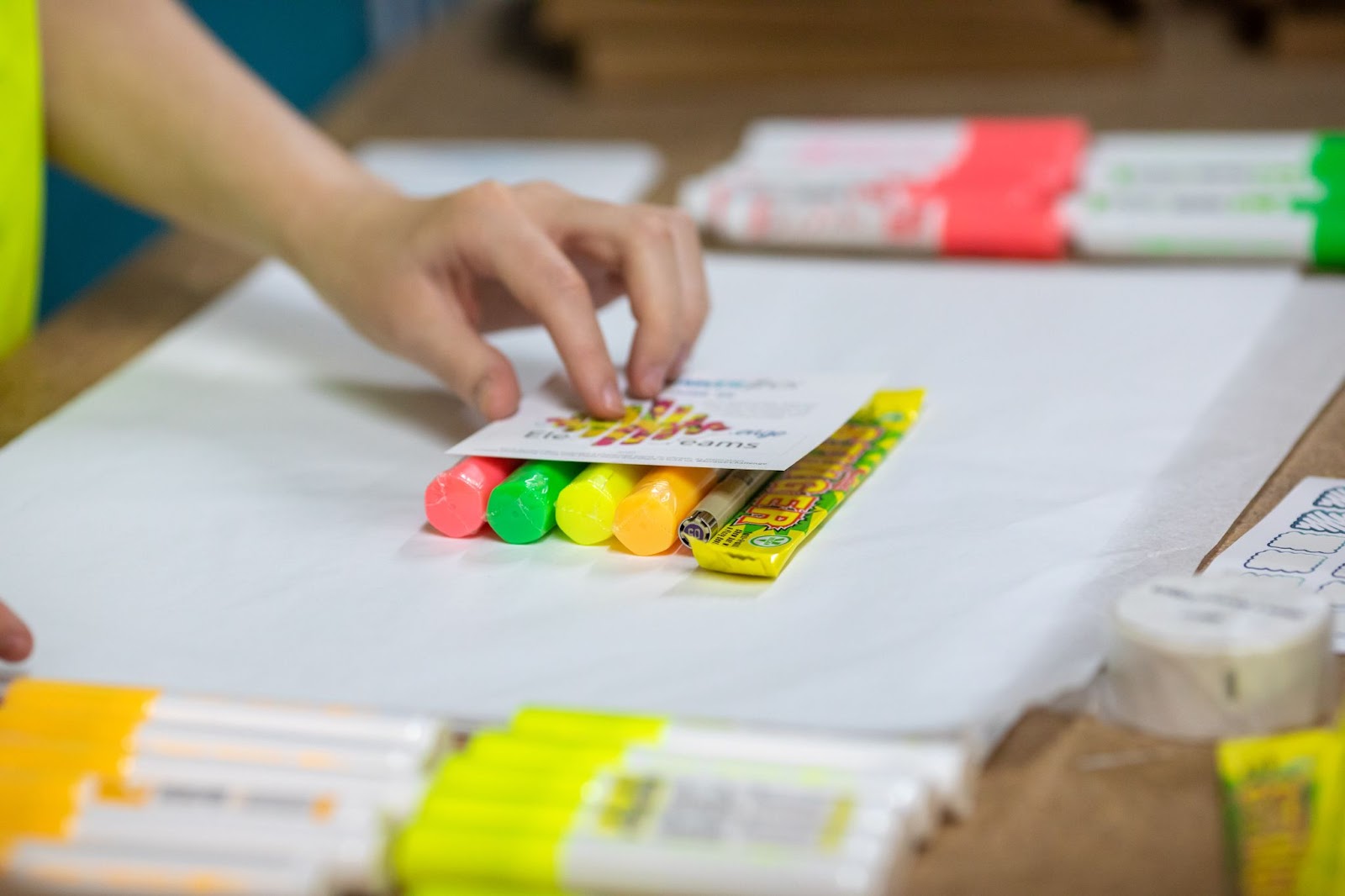
- Can you accommodate custom or branded packaging, including inserts and printed materials?
- Do you provide real-time inventory visibility and order tracking that I can share with customers?
- How do you handle returns, and will I get data on return reasons and volumes?
- What are your accuracy and same-day dispatch targets?
- Can you maintain these standards during peak periods like Black Friday and Christmas?
The right 3PL will feel like an extension of your brand, not just a warehouse shipping boxes. Look for dedicated account management, low staff turnover (which means your products are handled by experienced people), and the willingness to let you speak with existing clients.
Sustainability as Part of Your Brand Experience
For purpose-led eCommerce brands, sustainability isn’t a marketing bolt-on. It’s woven into the product, the messaging, and the customer relationship. Your fulfilment operation should reflect that too.
The numbers support this approach:
- Over 50% of UK consumers now factor sustainability into purchasing decisions
- 54% of online shoppers expect eco-friendly delivery options at checkout
- 37% say they would pay more for greener shipping
Sustainable fulfilment practices include recyclable and right-sized packaging, paperless dispatch processes, energy-efficient warehousing, and optimised delivery routes that cut unnecessary mileage.
If your brand has invested in certifications like B Corp, your fulfilment partner should be able to match that commitment. As Rukhsar Ahmed, Co-Founder of Green Fulfilment, puts it:
“Your fulfilment operation is part of your brand story. If sustainability matters to your customers, it needs to run through every parcel you send, not just the ones you pack yourself.”
How to Keep Brand Experience Consistent as You Scale
Maintaining eCommerce brand consistency gets harder as order volumes grow, new sales channels come online, and you expand into new markets. A brand that ships 500 orders a month from one UK warehouse faces different challenges than one shipping 5,000 across the UK and EU.
Practical steps to keep standards high as you grow:
- Document your brand standards for fulfilment. Create a clear guide covering packaging specs, insert requirements, handling instructions, and delivery communication expectations. Include visual examples.
- Use a fulfilment platform with real-time reporting. You need visibility into order accuracy, dispatch times, and stock levels across all locations. If something slips, you want to know before your customers do.
- Review customer feedback and returns data regularly. Patterns in complaints or returns often point to fulfilment issues that can be fixed quickly.
- Build a close relationship with your account team. The best fulfilment partnerships are collaborative. Regular check-ins, shared KPIs, and honest feedback keep both sides aligned.
Brand experience in eCommerce isn’t set-and-forget. It’s an ongoing process that needs attention at every stage of growth. Get in touch with one of our team to get a personalised fulfilment quote for your business.
FAQs About Brand Consistency in eCommerce
How can I maintain brand experience when using a 3PL?
Choose a fulfilment partner that supports custom packaging, provides real-time order and inventory tracking, offers clear SLAs, and assigns dedicated account management. Share your brand guidelines upfront and review performance regularly.
Does packaging really affect customer loyalty?
Yes. Research shows 40% of online shoppers would share branded packaging on social media, and consistent, thoughtful presentation builds trust and repeat purchase intent.
What fulfilment touchpoints matter most for brand experience?
The most impactful are packaging and unboxing, delivery speed and communication, order accuracy, and the returns process. Each shapes how customers perceive and remember your brand.
How does sustainable fulfilment support brand experience?
For purpose-led brands, eco-friendly packaging and carbon-conscious logistics reinforce your values at the point of delivery. Over 50% of UK consumers consider sustainability when making buying decisions.
What should I include in brand guidelines for my fulfilment partner?
Cover packaging specifications (box sizes, branded materials, inserts), handling instructions for fragile items, delivery communication standards, and your returns process expectations. Visual references help ensure consistency.